Intensive Trainings

- This event has passed.
Smart and Resilient Power Grids
September 14 - September 16
Why Choose this Training Course
Electricity networks around the world are undergoing rapid transformation. Rising electricity demand, electrification of transport and heating, increasing renewable penetration and decentralised energy resources are placing unprecedented pressure on grid infrastructure.
Traditional grid planning models are no longer sufficient. Utilities, regulators and energy developers must rethink how networks are designed, operated and financed to ensure reliability while enabling large-scale energy transition.
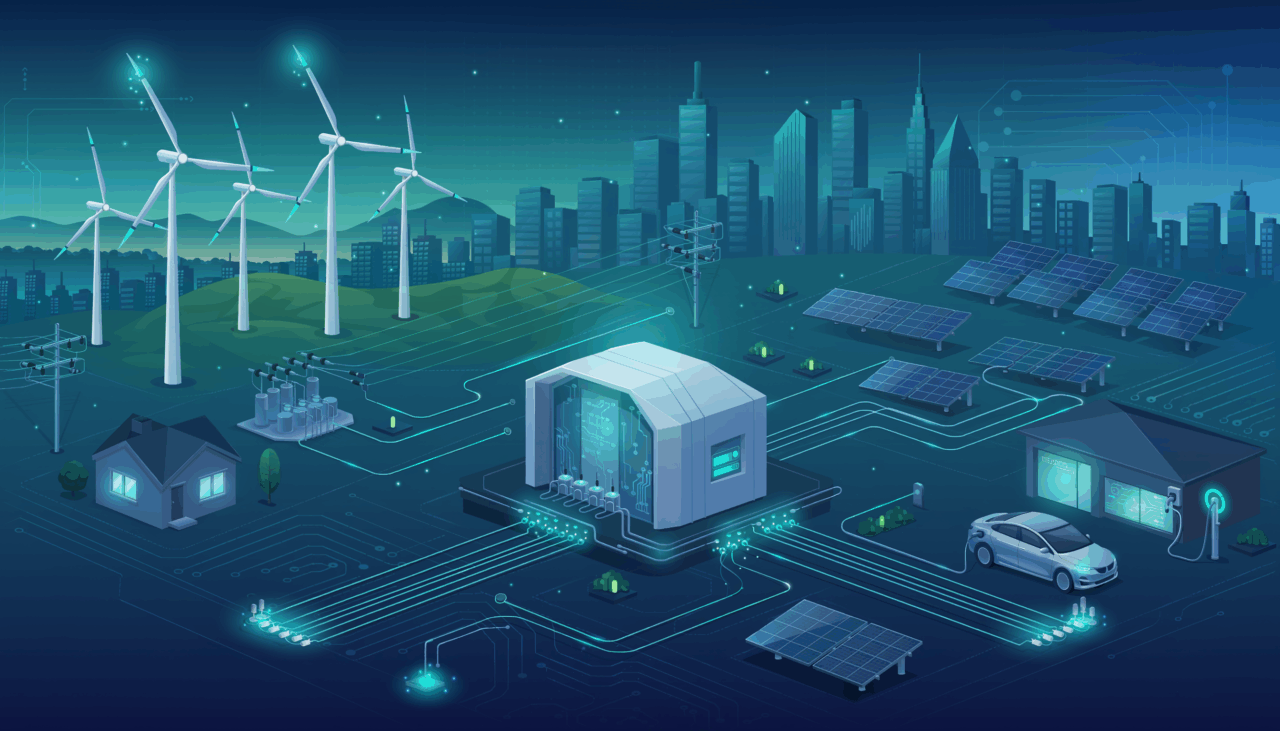
This smart power grids course provides a practical understanding of how modern grids are evolving and the solutions available to manage capacity constraints, improve resilience and integrate new energy technologies. Participants will explore the technical, operational and market mechanisms required to maintain system stability while accommodating growing electrification and distributed energy resources.
Through real-world examples and system-level analysis, the programme examines grid services, new transmission technologies, energy storage integration, distributed energy management and emerging market models that are shaping the next generation of electricity networks.
We are also a proud member of the Energy Institute of UK.
Who Should Attend
- Power utilities and grid operators
- Transmission and distribution companies
- Energy regulators and policymakers
- Renewable energy developers
- Power system planners and engineers
- Energy market analysts and consultants
- Infrastructure investors and project developers
Key Learning Objectives
- UnderstandUnderstand the key structural pressures on modern electricity grids, including electrification, peak demand growth, decentralisation and renewable integration
- Analyse major causes of grid instability and blackouts, and the role of critical grid services such as frequency control, voltage support, reserves and black start capability
- Evaluate the impact of electrification (EVs, heat pumps, distributed demand) on grid planning and system operations
- Identify solutions to increase capacity on existing networks, including Dynamic Line Rating (DLR), advanced monitoring and digital optimisation
- Compare new transmission infrastructure options, including AC vs HVDC systems, offshore grids and new conductor technologies
- Assess the role of energy storage in grid reliability, including virtual transmission capacity and ancillary services
- Understand distributed energy solutions, including Virtual Power Plants (VPPs), smart charging and Vehicle-to-Grid (V2G) systems
- Examine how policy frameworks, tariff design and electricity market structures influence grid resilience and investment