Intensive Trainings

Subsea Pipelines Engineering
12th April 2027 - 14th April 2027
Why Choose this Training Course
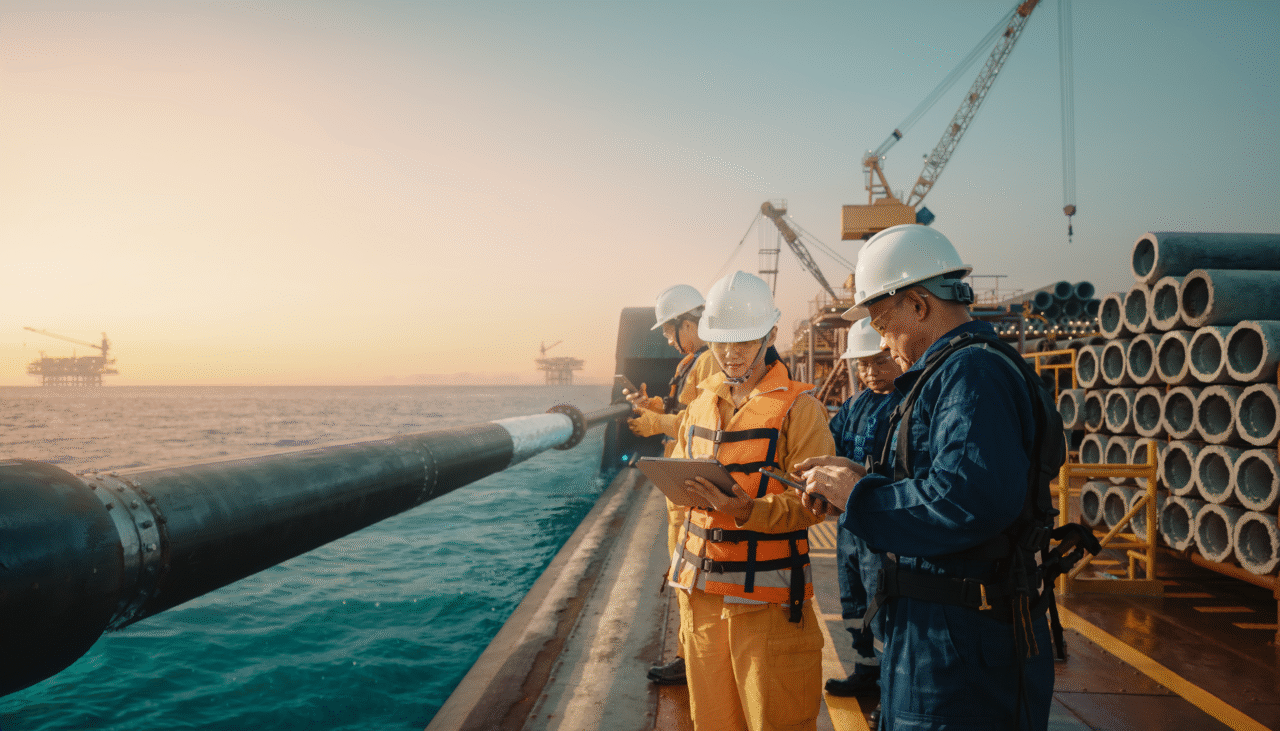
Subsea pipelines serve as a safe, efficient backbone for global hydrocarbon transportation. As offshore developments push into increasingly deeper waters, decades of technical innovation have continually advanced material specifications, subsea construction and installation techniques, and long-term inspection and maintenance regimes.
Specifically developed to meet the energy industry’s ongoing demand for skilled subsea pipeline professionals, this comprehensive course provides end-to-end insight into subsea mechanical engineering design and project execution. Delegates will master critical lifecycle workflows—including route selection, permitting and authorizations, material selection, offshore installation vessels, protection systems, pre-commissioning, and pipeline integrity management—alongside essential engineering deliverables such as data sheets, alignment drawings, materials take-offs (MTOs), design philosophies, and technical specifications. Practical workshops, working design examples, and real-world case studies enable participants to test and apply their engineering knowledge throughout the program.
We are also a proud member of the Energy Institute of UK.
Who Should Attend
- Subsea pipeline engineers
- Construction & installation engineers / managers
- Materials and Corrosion Engineers
- Integrity engineers
- Facilities engineers
- Operations engineers and managers
- Project Managers
- Graduate engineers
Key Learning Objectives
- Evaluate linepipe manufacturing methods, mechanical properties, physical testing standards, and international subsea pipeline codes and regulations.
- Execute front-end subsea routing and site preparation activities, incorporating geotechnical surveys, seabed topography, permitting, and rock dumping.
- Formulate mechanical and flow assurance designs by calculating pipe sizing, wall thickness, on-bottom stability, upheaval buckling, free-spanning, and thermal insulation requirements.
- Specify appropriate carbon steel and corrosion-resistant alloys (CRAs), internal/external coatings, cathodic protection anodes, and mechanical protection structures against corrosion and subsea hazards.
- Coordinate offshore pipeline installation and construction activities—including S-lay, J-lay, reeling, towed bundles, shore approaches, trenching, tie-ins, and pre-commissioning operations.
- Compile essential engineering project deliverables, including alignment sheets, crossing layouts, materials take-offs, design philosophies, and technical manuals.
- Implement risk-based Pipeline Integrity Management Systems (PIMS) utilizing intelligent pigging, chemical inhibition programs, corrosion monitoring, and code-compliant anomaly assessments.
- Manage late-life asset strategies, Environmental Impact Assessments (EIA), life-extension studies, and safe subsea decommissioning and abandonment.