
Intensive Trainings
Geology
-
-

Integrated Petrophysics for Carbonate and Fractured Reservoirs
Kuala Lumpur Federal Territory of Kuala Lumpur, Kuala Lumpur, MalaysiaWhy Choose this Training Course This petrophysics for fractured carbonate reservoirs course presents the Complete Carbonate & Fracture Evaluation Recipe for carbonate petrophysical characterisation, from Quick Look log analysis to full…
-
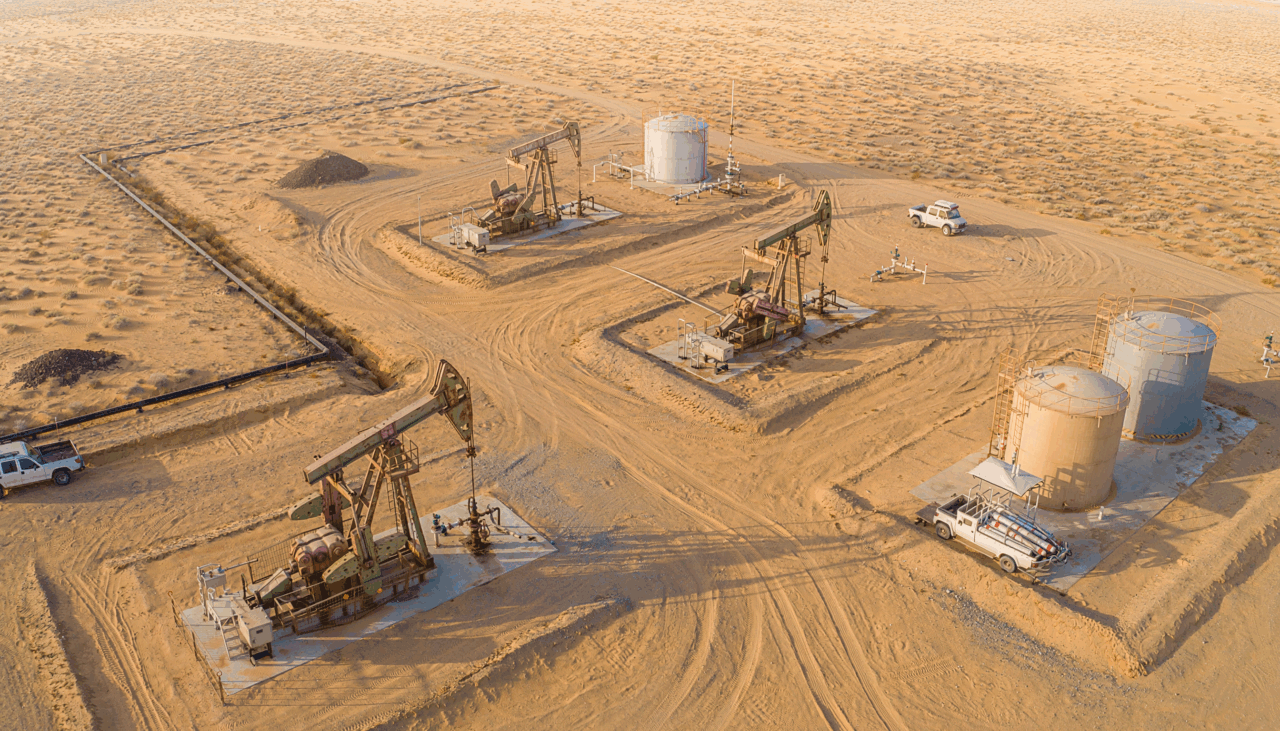
Characterization of Unconventional Reservoirs
Virtual Instructor Led Training (VILT)Why Choose this Training Course As conventional hydrocarbon reserves diminish, the global energy industry is shifting its focus toward unconventional resources, specifically heavy oil, bitumen, and shale gas, to secure…
-

Assessment of Exploration Plays & Prospects
Kuala Lumpur Federal Territory of Kuala Lumpur, Kuala Lumpur, Malaysia +1 moreWhy Choose this Training Course Assessment of exploration plays and prospects is a critical discipline for allocating capital, prioritising drilling opportunities, and managing exploration risk. This fully updated exploration play…
-
-

Gas Well Performance & Deliquification
Kuala Lumpur Federal Territory of Kuala Lumpur, Kuala Lumpur, MalaysiaWhy Choose this Training Course This gas well training course provides the skills to understand and analyze gas well performance, and to select and design those remedial measures. It addresses…
-

Advanced Deepwater Depositional Systems & Reservoir Prediction
Kuala Lumpur Federal Territory of Kuala Lumpur, Kuala Lumpur, MalaysiaWhy Choose this Training Course This intensive advanced deepwater depositional systems masterclass equips subsurface professionals with the practical skills to better predict deepwater reservoir presence, distribution, architecture, quality and connectivity.…
-

Reservoir Engineering for Geologists
Virtual Instructor Led Training (VILT) +1 moreWhy Choose this Training Course This reservoir engineer for geologists training course examines the standard reservoir engineering processes and techniques, particularly their interface with geoscience activities. This course illustrates, with…
-
-
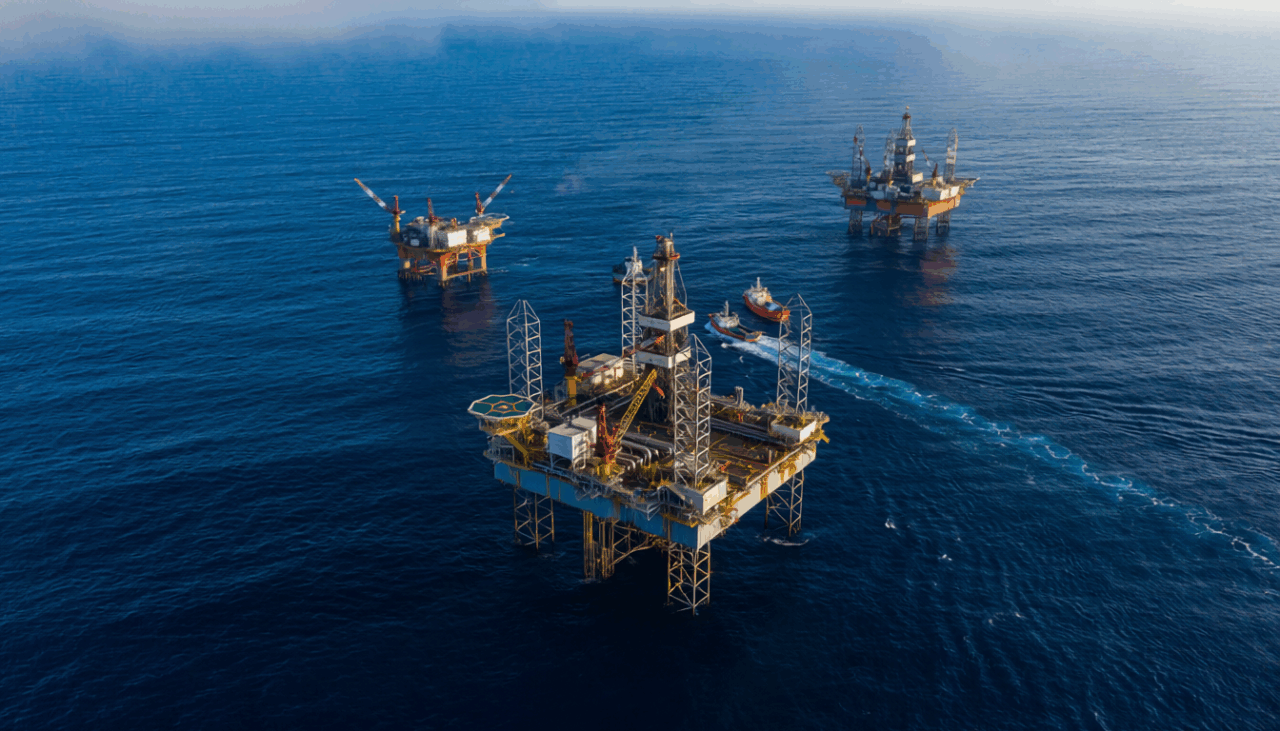
Deepwater Reservoirs
Virtual Instructor Led Training (VILT)Why Choose this Training Course Delegates will learn how to interpret and map environments of deposition (EoD’s) in deep water systems, and understand how the different EoD’s and sub-EoD’s behave…
-
-
Deepwater Reservoirs
Virtual Instructor Led Training (VILT)Why Choose this Training Course Delegates will learn how to interpret and map environments of deposition (EoD’s) in deep water systems, and understand how the different EoD’s and sub-EoD’s behave…
-
-
Assessment of Exploration Plays & Prospects
Kuala Lumpur Federal Territory of Kuala Lumpur, Kuala Lumpur, Malaysia +1 moreWhy Choose this Training Course Assessment of exploration plays and prospects is a critical discipline for allocating capital, prioritising drilling opportunities, and managing exploration risk. This fully updated exploration play…