
Intensive Trainings
HSE and Process Safety
Calendar of Events
|
Monday
|
Tuesday
|
Wednesday
|
Thursday
|
Friday
|
Saturday
|
Sunday
|
|---|---|---|---|---|---|---|
|
0 events,
|
0 events,
|
0 events,
|
0 events,
|
0 events,
|
0 events,
|
0 events,
|
|
2 events,

Why Choose this Training Course This TUV SIS training course focuses on functional safety aspects for process, oil & gas, petrochemical and chemical industries according to IEC 61508 / IEC 61511. This includes the complete safety lifecycle in the context of Safety Instrumented Systems (SIS) projects. This TUV SIS training comprise of online tuition and… 
Why Choose this Training Course This API 982 training encompasses an extensive array of refinery equipment, including fluid solid units, fluid catalytic cracker units, reforming units, fired heaters, incinerators, sulfur recovery units, flue gas ducts, calcines, steam-methane reformers, hydrogen plant and transfer lines, cracker furnaces, boilers, and flue gas stacks. The refractory linings in these… |
0 events,
|
0 events,
|
0 events,
|
|||
|
1 event,
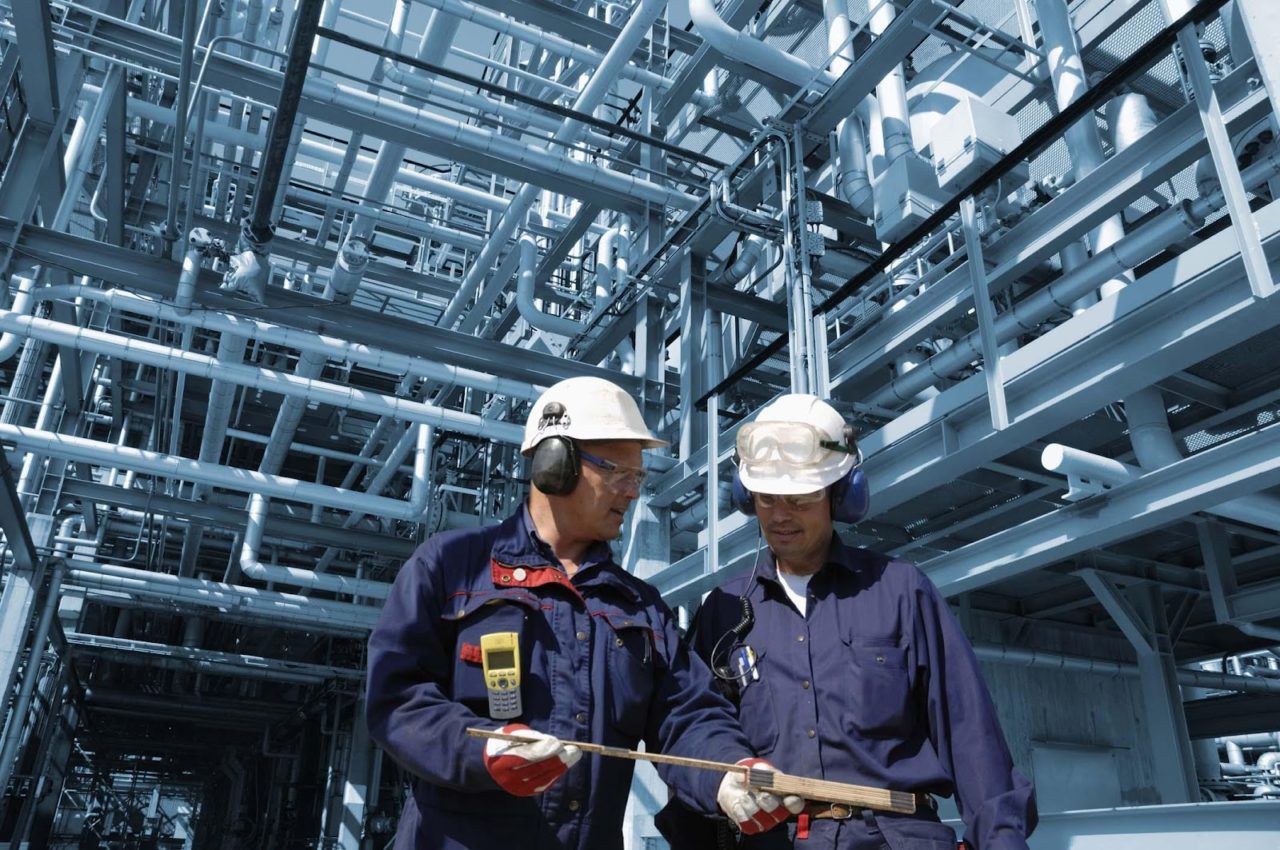
Why Choose this Training Course This TUV PHRA training course focuses on the early lifecycle phases of hazard and risk analysis up to, and including, the development of the Safety Requirements Specification (SRS) for process, oil & gas, petrochemical and chemical industries according to IEC 61508 / IEC 61511. This 5-day course comprises 4 days… |
3 events,

Why Choose this Training Course Industries handling hazardous materials have to adhere to Quantitative Risk Assessment (QRA) guidelines. In Singapore, the revised QRA guidelines took effect on 1 April 2016. The QRA training is developed to compare the existing prevailing PCD QRA Guidelines and the new QRA Guidelines, to help the industries understand the potential… 
Why Choose this Training Course This is a 3-days LOPA and SIL training course. Layer of protection analysis (LOPA) is a semi-quantitative, order of magnitude, tool for analysing and assessing risk on a process plant used to evaluate the adequacy of existing or proposed controls (layers of protection) against known hazards to achieve tolerable risk… |
0 events,
|
0 events,
|
|||
|
3 events,

Why Choose this Training Course Human Factors is recognized as a key topic for addressing safety in the oil, gas, onshore chemical plants, pharmaceutical manufacturing and power generation sectors. What is Safety Critical Task Analysis (SCTA)? Task Analysis refers to the study of what actions and mental processes a person needs to perform to achieve… 
Why Choose this Training Course This is a 3-days high hazard facilities training. The management of the risks associated with Health, Safety and Environmental, HSE threats to a business is becoming increasingly complex and as part of any credible global business, needs to be managed in a consistent, systematic manner. It is essential therefore that… 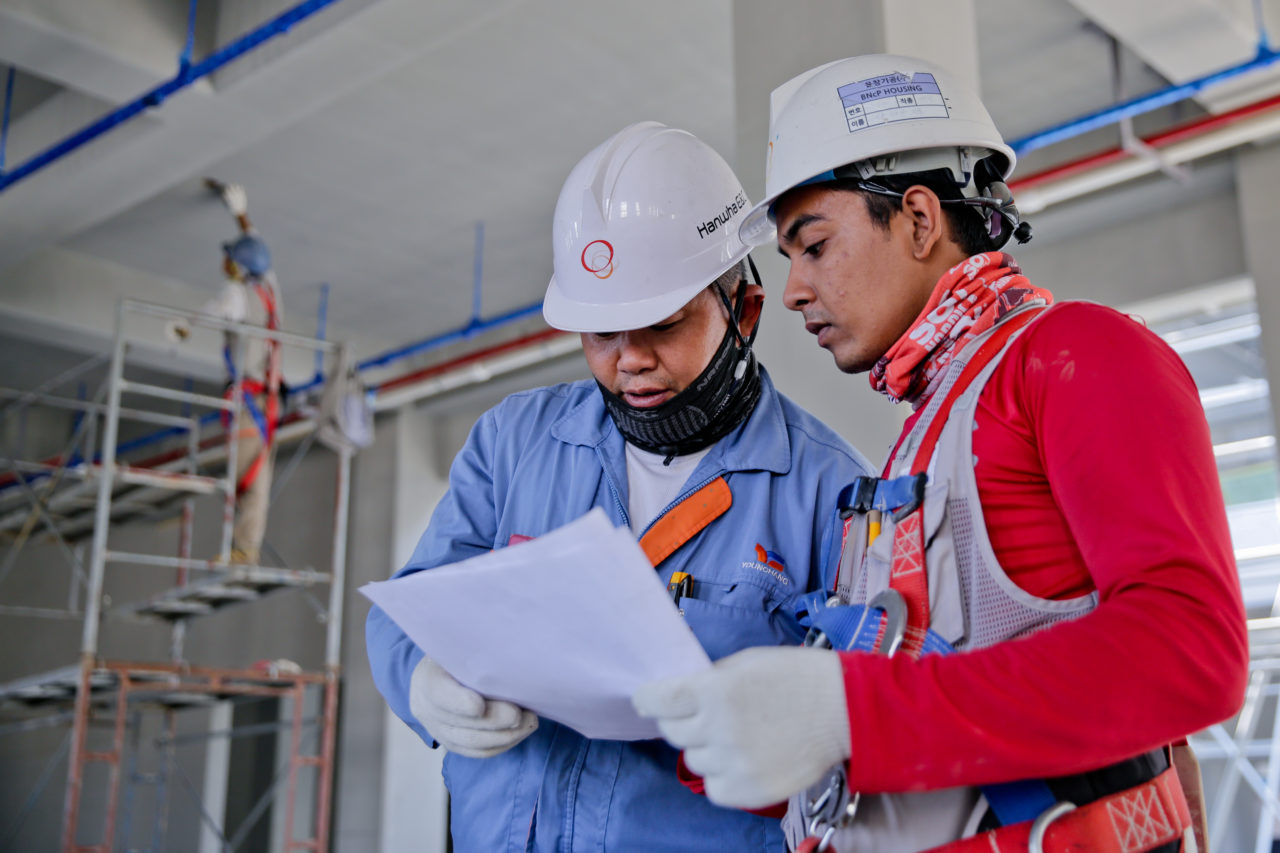
Why Choose this Training Course In this advanced HAZOP training course, the trainer will introduce numerous class exercises based on real life case to aid in delegates’ understanding of the topics throughout the course. Delegates will be firstly introduced to refresher topics of HAZOP such as bowties, swiss cheese and LOPA, the human factors and… |
0 events,
|
0 events,
|
0 events,
|
0 events,
|
||
|
1 event,
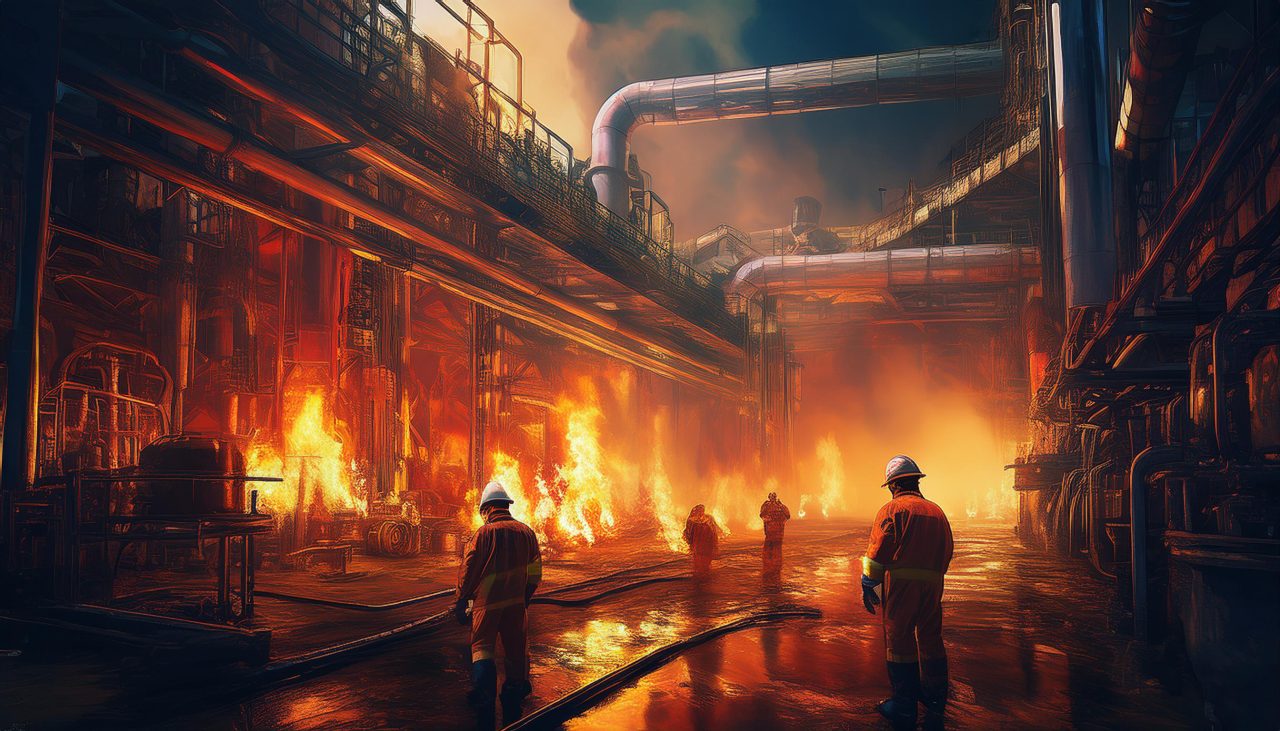
Why Choose this Training Course Major accidents occur infrequently, but can result in consequences beyond what the management envisage, resulting in a situation that escalates beyond the capacity of the company to recover both financially and reputationally. The 2010 Deepwater well blow-out accident is an example, whereby the company, BP, had to deal with a… |
0 events,
|
0 events,
|
0 events,
|
0 events,
|